

New injunction narrows restrictions while legal battle over a disputed LEGO collection continues in the United States
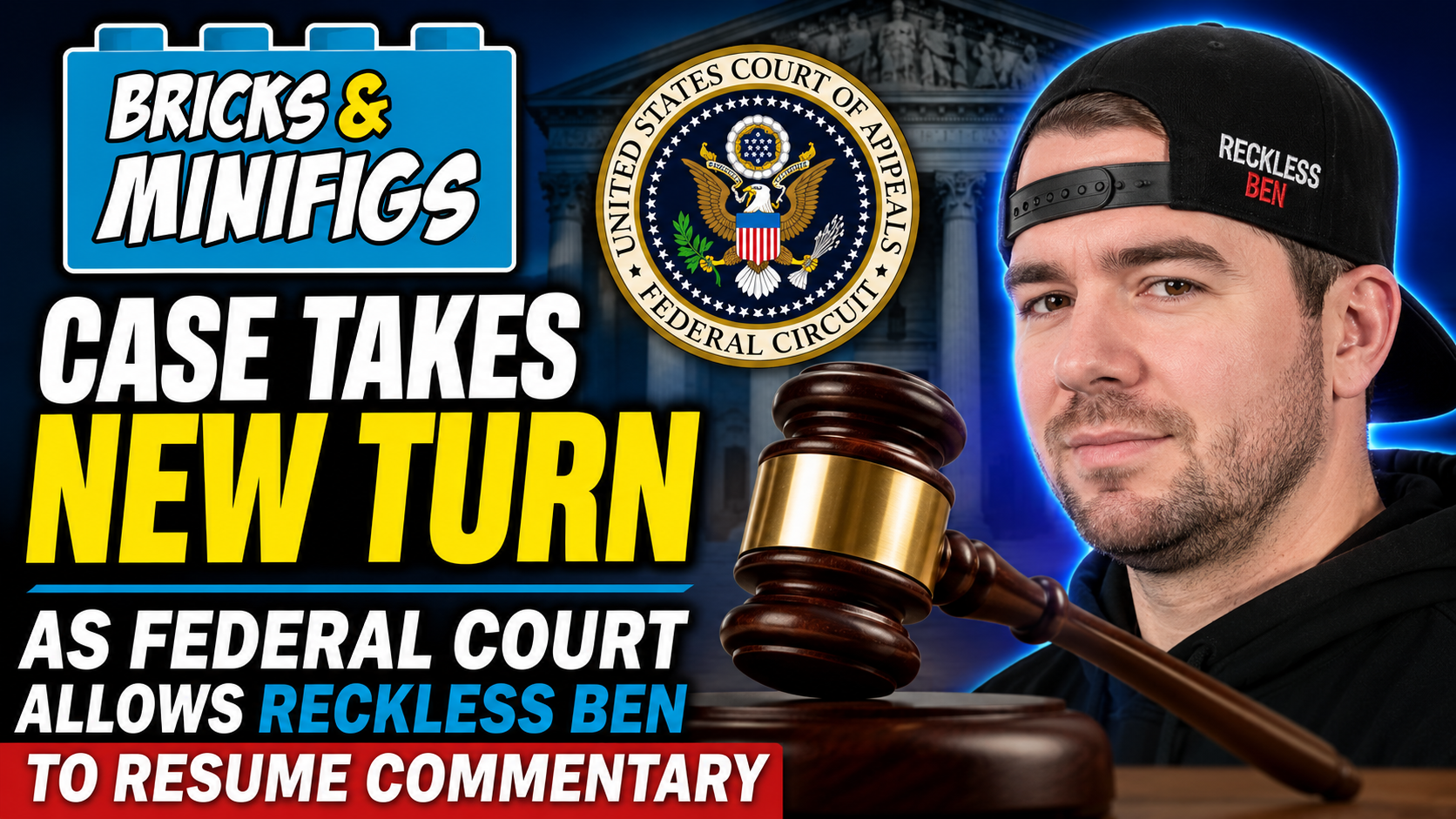
A U.S. federal court has handed YouTuber Reckless Ben, whose real name is Benjamin Schneider, a significant legal victory by allowing him to continue publicly discussing his investigation into Bricks & Minifigs, ending weeks of uncertainty over whether he could release new videos about the controversial case.
The ruling, issued by U.S. District Judge David Barlow on July 6, replaces an earlier temporary restraining order from a Utah state court that Schneider said effectively prevented him from publishing the latest installment of his investigative YouTube series. While the revised preliminary injunction maintains restrictions against conduct such as harassment, trespassing, doxxing and interference with businesses, it explicitly permits lawful commentary, investigative journalism, criticism, satire and the publication of court documents.
The decision marks the latest development in a dispute that has evolved from a disagreement over a rare LEGO collection into a high-profile legal battle involving allegations of missing property, online activism, franchise accountability and free speech.
Court Clarifies Scope of Restrictions
For weeks, Schneider had informed his audience that he had completed the third episode of his investigation but feared releasing it because he believed doing so could expose him to contempt proceedings or even jail under the earlier court order.
The federal court’s revised injunction substantially narrows those concerns.
According to the order, Schneider and other defendants may legally discuss the lawsuit, express opinions, publish publicly available court filings, conduct investigative reporting and continue producing commentary across platforms including YouTube and other social media. However, the injunction continues to prohibit activities such as threats, impersonation, solicitation of confidential information, trespassing and other conduct the court considered inappropriate during ongoing litigation.
Following the ruling, Schneider released a new video update, describing the decision as restoring his ability to exercise his First Amendment rights while continuing his investigation.
How the Controversy Began
The dispute traces its origins to a valuable LEGO Star Wars collection assembled over decades by the Mansell family.
According to public accounts cited in court-related reporting, the collection reportedly included around 780 sealed LEGO Star Wars sets and approximately 1,200 rare minifigures, with estimates placing its potential value at as much as $200,000, although the precise valuation remains disputed.
The collection was reportedly placed under a consignment agreement with a Bricks & Minifigs franchise in Oregon in 2023. Under such agreements, ownership typically remains with the consignor while the retailer sells items on their behalf.
After the franchise later changed ownership, the Mansell family alleged that a substantial portion of the collection was never returned and that proceeds from sales were not fully paid. Those allegations became the basis of both civil litigation and widespread public attention.
Bricks & Minifigs has disputed aspects of those claims and has maintained that the dispute involves complicated ownership and contractual issues that remain before the courts. The company has argued that many allegations circulating online are incomplete or inaccurate.
Viral Investigation Brings National Attention
The legal dispute gained widespread visibility after Schneider launched a series of investigative videos examining the missing collection.
His videos attracted millions of views across social media platforms, drawing significant attention from LEGO enthusiasts and online communities.
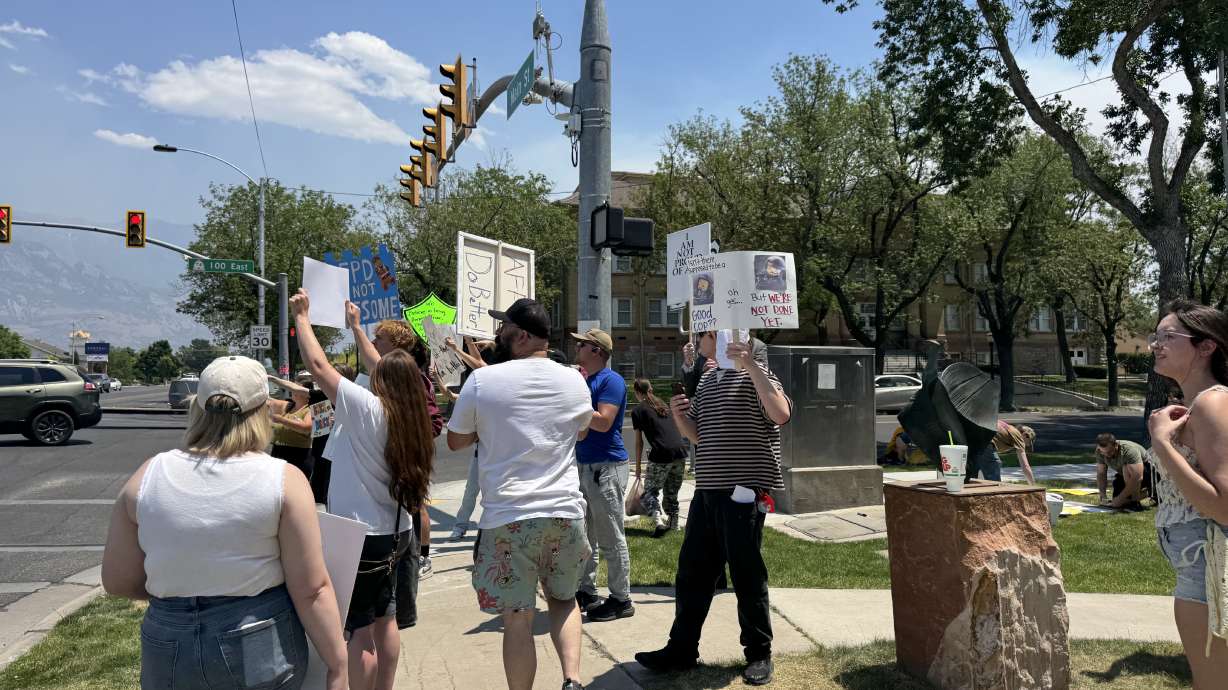
The growing publicity also triggered broader consequences. Several Bricks & Minifigs franchise locations reportedly faced negative online reviews and public criticism despite not being directly connected to the Oregon dispute. The controversy also generated protests, fundraising campaigns and extensive online debate regarding franchise responsibility and consumer protection.
As the dispute intensified, litigation expanded to include claims involving defamation, business interference and other legal issues, while Schneider argued that his reporting constituted protected investigative journalism.

Shift from State Court to Federal Court
The case later moved from Utah state court to the U.S. District Court, where the parties jointly sought to replace the earlier temporary restraining order with a more narrowly tailored preliminary injunction.
Judge Barlow ultimately approved the revised order, drawing a clearer distinction between constitutionally protected speech and conduct that could interfere with ongoing litigation.
Legal observers note that the decision does not resolve the underlying lawsuit but instead governs what parties may do while the case proceeds. Questions surrounding ownership of the LEGO collection, contractual obligations and potential liability remain unresolved and will be determined through future legal proceedings rather than the preliminary injunction itself.
Broader Questions About Free Speech
The case has attracted attention beyond the LEGO collecting community because it touches upon broader legal questions involving online creators and First Amendment protections.
The revised injunction demonstrates an effort by the federal court to balance two competing interests: protecting parties from harassment or unlawful conduct while preserving constitutional rights to discuss ongoing legal matters.
Legal commentators have noted that courts generally distinguish between protected public commentary and actions that directly interfere with judicial proceedings or individual safety. The federal order reflects that distinction by expressly allowing criticism, reporting and opinion while maintaining limits on conduct viewed as potentially harmful.
Legal Dispute Continues
Although Schneider can now continue discussing the controversy, the underlying litigation remains active.
The courts have yet to determine responsibility for the disputed LEGO collection or rule on the various allegations raised by either side.
As the case progresses, both the Mansell family’s property claims and Bricks & Minifigs’ legal defenses will be evaluated through the judicial process rather than through public opinion or social media campaigns.
For now, the federal court’s latest order primarily settles one immediate issue: Schneider may continue publishing investigative content and commentary while the broader legal battle moves forward.