

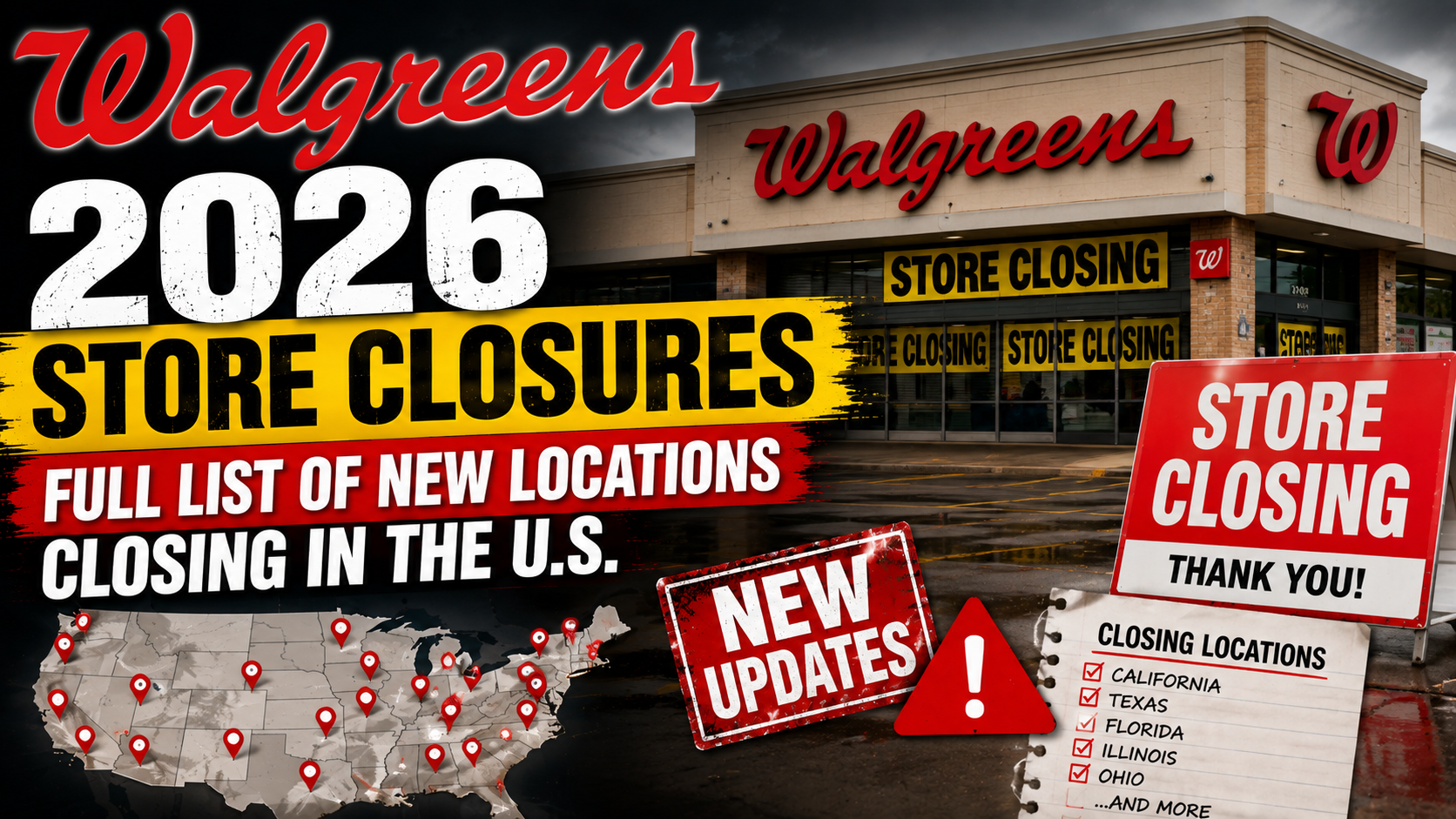
Walgreens is continuing its nationwide restructuring efforts in 2026 by announcing additional store closures across the United States. The pharmacy giant has confirmed that several more locations will permanently shut their doors as part of its long-term strategy to reduce costs and improve profitability. The latest announcements include closures in New Jersey, with more locations affected in other states as Walgreens reshapes its retail footprint.
The company says the decision is part of a broader business transformation designed to focus on stronger-performing stores while reducing expenses associated with underperforming locations. Although these closures will impact local communities, Walgreens has stated that customers will continue to have access to pharmacy services through nearby stores and prescription transfers.
Walgreens Confirms More Store Closures in 2026
Walgreens has already been closing stores throughout 2026, and the latest round of announcements shows that the process is still ongoing.
One of the most notable closures is the Walgreens pharmacy in Bogota, New Jersey, which is scheduled to permanently close during the first week of August. Customers who currently fill prescriptions at this location will automatically have their pharmacy records transferred to another nearby Walgreens store to ensure there is no interruption in medication services.

In addition to the Bogota location, Walgreens has also confirmed that two more stores in New Jersey will close in the coming months. These closures follow a series of shutdowns that have taken place across multiple states since the beginning of the year.
Reports indicate that Walgreens has also closed or announced closures in states including:
- California
- Florida
- Illinois
- Missouri
- New York
- South Carolina
- Texas
- Virginia
- Washington
- Washington, D.C.
The company has not released a complete nationwide list of every store scheduled to close, but it continues to announce additional locations as part of its restructuring strategy.
Why Is Walgreens Closing So Many Stores?
The latest closures are part of Walgreens’ previously announced plan to shut down approximately 1,200 underperforming stores over the next few years.
According to the company, several factors have contributed to this decision.
One of the biggest challenges has been declining profitability at certain retail locations. Many stores have experienced lower customer traffic as consumers increasingly rely on online shopping and digital pharmacy services.
Walgreens is also dealing with rising operating costs, including higher labor expenses, rent, utilities, and supply chain costs. In some urban markets, the company has cited organized retail theft and security concerns as additional reasons for reviewing store performance.
Rather than operating a large number of less profitable locations, Walgreens is focusing on investing in stores that generate stronger sales and better serve surrounding communities.
This strategy is expected to make the company’s overall pharmacy network more efficient while reducing unnecessary operating expenses.
What Happens to Customers After a Store Closes?
Walgreens has assured customers that pharmacy services will continue even after local stores close.
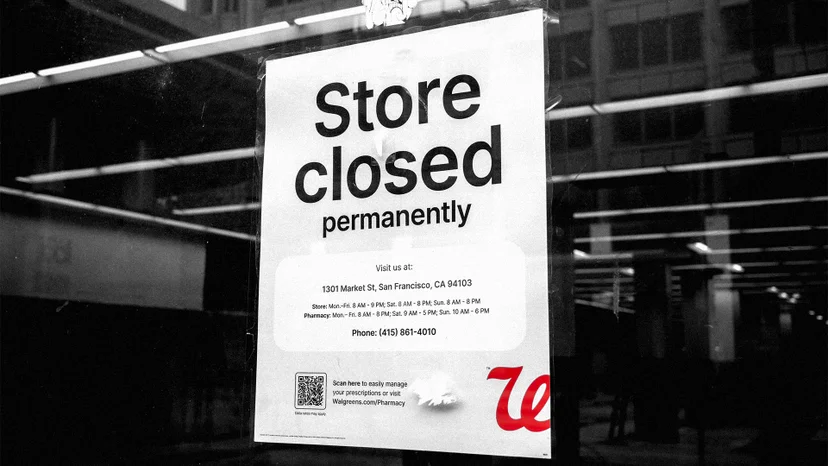
When a Walgreens location shuts down, prescription records are typically transferred to the nearest Walgreens pharmacy. Customers can continue filling medications without needing to request a new prescription from their healthcare provider.
Patients can also choose another Walgreens location if it is more convenient, either through the Walgreens mobile app, website, or by contacting customer support.
In many areas, Walgreens will continue offering:
- Prescription transfers
- Automatic refill services
- Online prescription management
- Home delivery for eligible medications
- Vaccination appointments at nearby locations
However, customers living in smaller communities where another Walgreens store is not located nearby may need to travel farther for pharmacy services.
Walgreens Continues Major Business Restructuring
The store closures come during one of the most significant restructuring periods in Walgreens’ history.
The company has been working to improve its financial performance after facing several years of declining profits and increasing competition from online pharmacies, discount retailers, and large healthcare chains.
Following its acquisition by Sycamore Partners, Walgreens has accelerated efforts to streamline operations. Along with store closures, the company has implemented broader cost-cutting measures that include operational changes and workforce adjustments.
Executives have emphasized that the objective is not simply to reduce the number of stores but to build a stronger, more sustainable business capable of competing in today’s healthcare and retail environment.

Walgreens Still Operates Thousands of Locations
Despite the ongoing closures, Walgreens remains one of the largest pharmacy chains in the United States.
The company continues to operate approximately 8,000 stores across the U.S. and Puerto Rico, serving millions of customers every week. Most communities will continue to have access to Walgreens pharmacies even as selected underperforming locations close.
Company officials have said that future closure decisions will continue to be based on individual store performance, market conditions, lease agreements, and customer demand.
More Store Closures Could Be Announced
Industry analysts believe Walgreens may announce additional closures later in 2026 as it continues evaluating its nationwide retail network.
While the company has confirmed several recent closures, it has not yet published a complete list of every location that may be affected in the future. Customers are encouraged to check directly with their local Walgreens store or the company’s official website for the latest updates regarding pharmacy services and nearby locations.
For now, the latest announcements reinforce Walgreens’ commitment to reshaping its business through a smaller but more profitable network of pharmacies. Although the closures may create temporary inconvenience for some customers, the company says its priority remains maintaining uninterrupted access to prescriptions and essential healthcare services while adapting to changing market conditions.