

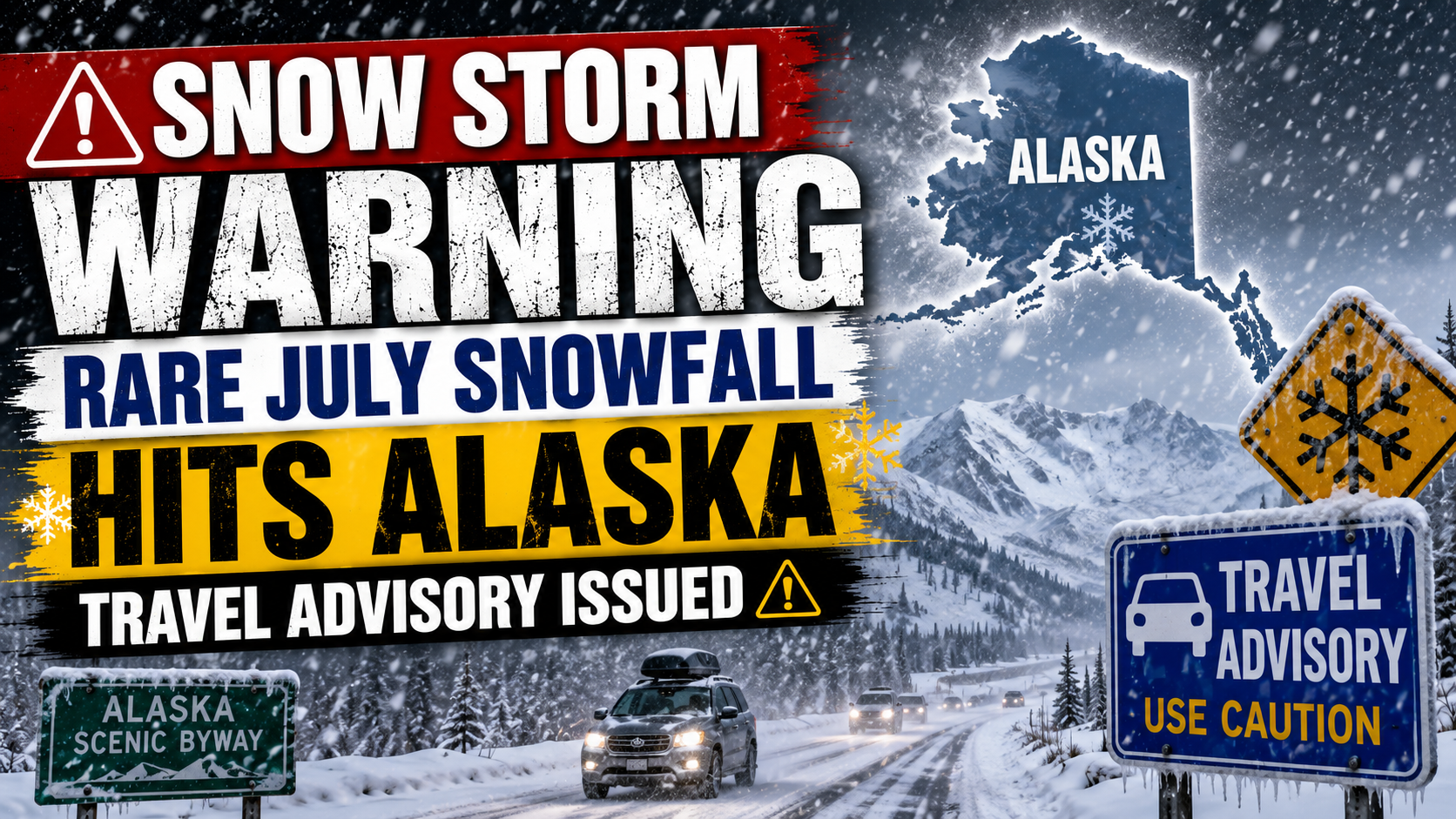
A rare burst of winter weather has struck northern Alaska in the middle of summer, prompting the National Weather Service (NWS) to issue a Winter Weather Advisory for parts of the Central Brooks Range. The advisory covered Atigun Pass, the Dalton Highway, Galbraith Lake, and nearby areas, where forecasters warned of 2 to 6 inches of snowfall, icy roads, strong winds, and significantly lower temperatures. Officials urged motorists to exercise caution as the unusual weather created hazardous driving conditions.
Rare Summer Snowfall Hits Alaska
While July is typically associated with warm weather across much of the United States, parts of northern Alaska experienced conditions more common during winter. An Arctic cold front moved across the Central Brooks Range, causing rain to transition into snow at higher elevations.
According to the National Weather Service, snowfall accumulations of between 2 and 6 inches were expected in the affected region. Road surfaces also faced the risk of a light glaze of ice, making travel particularly dangerous for drivers unprepared for winter conditions during the summer season.
Atigun Pass Among the Hardest-Hit Areas
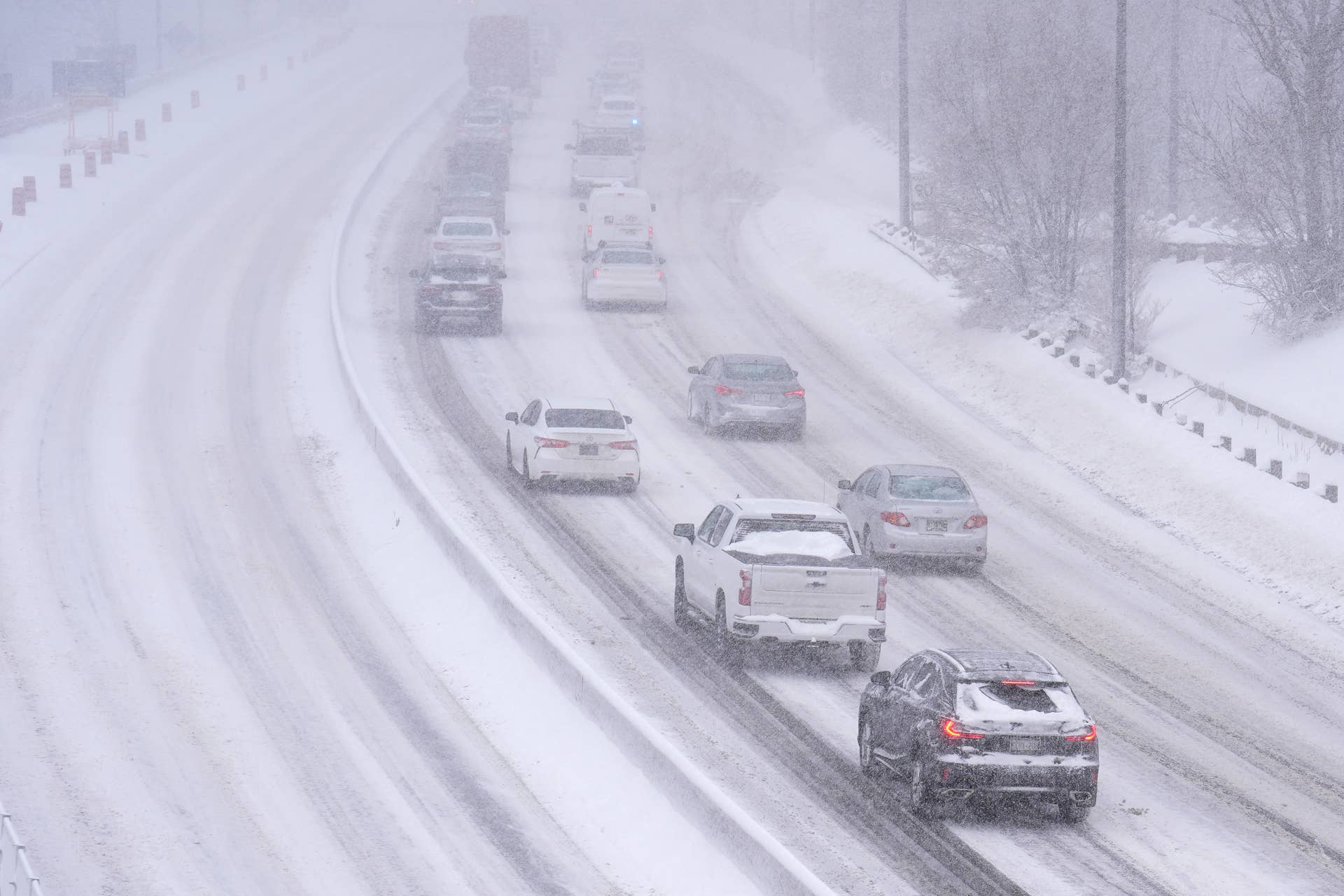
One of the most heavily affected locations was Atigun Pass, the highest year-round highway pass in Alaska at approximately 4,739 feet above sea level. It serves as the only road crossing through the Brooks Range and is a critical section of the Dalton Highway.
Because there is no alternate route around the pass, even moderate snowfall can significantly disrupt travel. Authorities warned that reduced visibility, snow-covered roads, and overnight freezing conditions could create dangerous driving situations.
Strong Winds and Freezing Temperatures Increase Risks
The storm brought more than just snow. Strong northerly winds combined with rapidly falling temperatures produced wind chill values near 11 degrees Fahrenheit in some higher-elevation areas.

Blowing snow further reduced visibility, while overnight refreezing created patches of black ice—a hazard that is often more dangerous than fresh snowfall itself. Weather experts noted that many summer travelers are unlikely to carry snow chains or winter emergency supplies, increasing the risk of accidents.
Travel Advisory for Dalton Highway
Transportation officials advised drivers using the Dalton Highway to monitor the latest road conditions before beginning their journey.
Officials emphasized that snow melting during the day could refreeze overnight, leaving roads unexpectedly slippery. Motorists were encouraged to reduce speed, maintain extra following distance, and remain alert for changing weather conditions throughout the route.
Why Is Snow Falling in July?
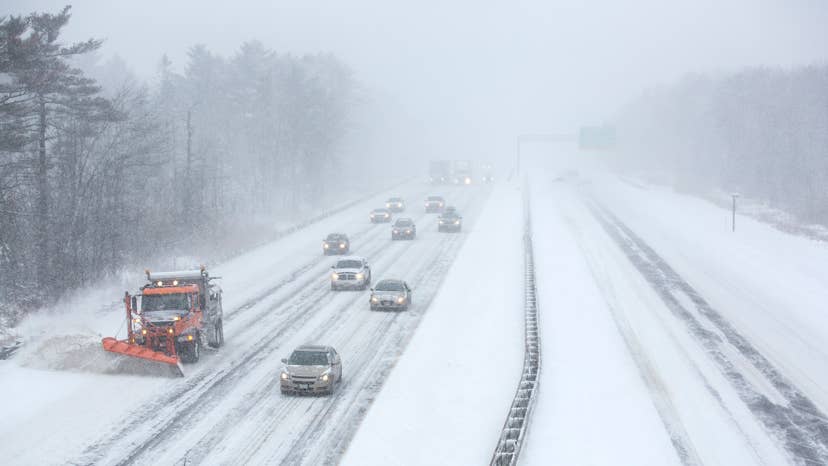
Although snowfall during July is uncommon across most of the United States, it is not unprecedented in Alaska’s highest elevations. Mountainous areas above the Arctic Circle can experience brief periods of snow whenever a strong Arctic air mass pushes south during summer.
Meteorologists said the combination of higher elevation, cold air, and moisture created conditions favorable for snowfall despite it being late July.
Extreme Weather Across North America
The Alaska snowfall comes as several parts of North America continue to experience unusual weather extremes. While northern Alaska dealt with snow and freezing temperatures, other regions have faced intense heat, heavy rainfall, flooding, and severe storms, highlighting the wide range of weather patterns affecting the continent this week.
Current Situation
The National Weather Service has since allowed the Winter Weather Advisory to expire as snowfall gradually diminished. However, officials warned that icy road conditions and overnight freezing temperatures could continue to pose risks in elevated areas.
Drivers traveling through the Central Brooks Range, particularly along the Dalton Highway and Atigun Pass, are advised to check updated weather and road reports before setting out, as conditions may change quickly even after snowfall ends.