

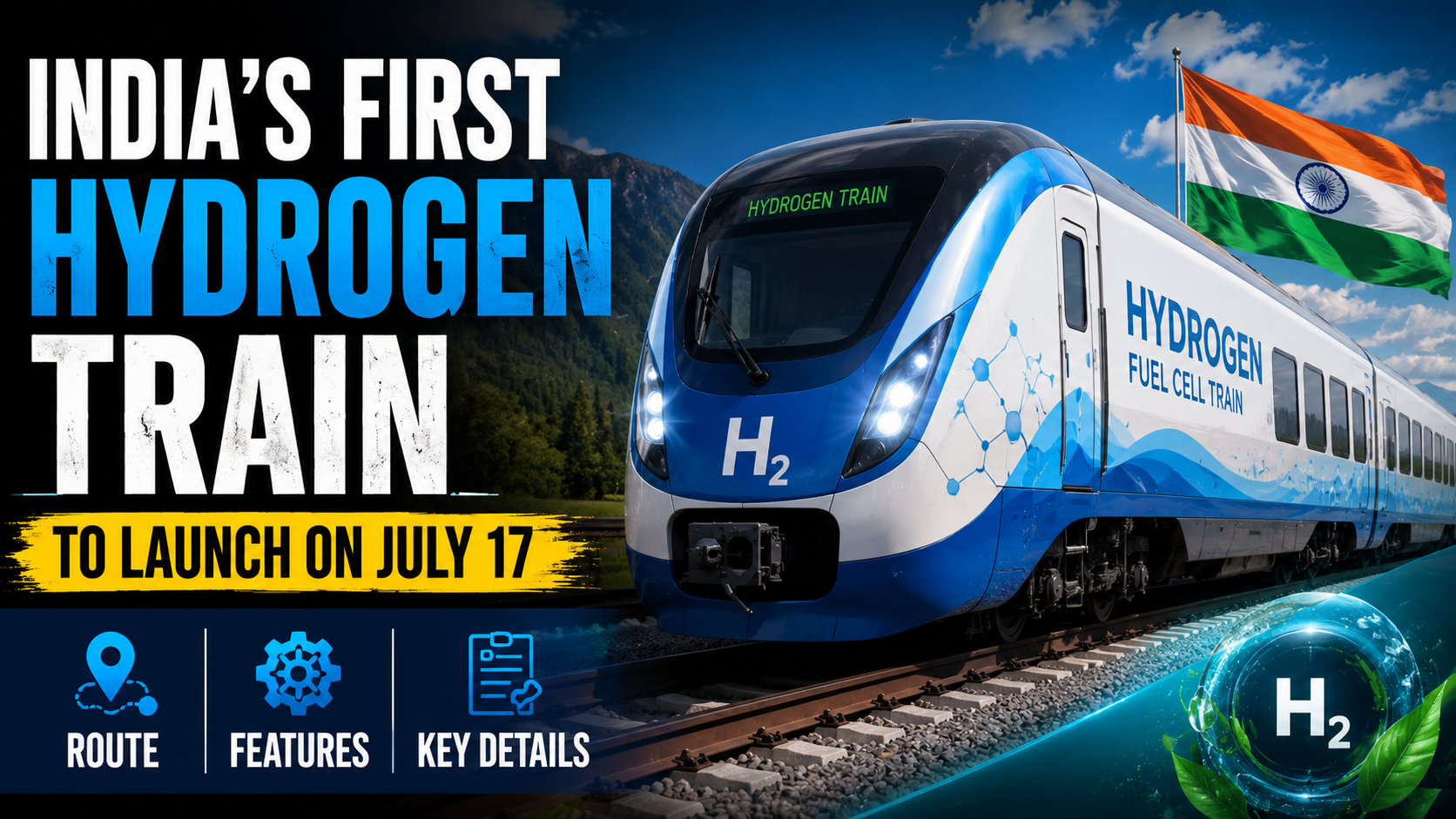
India is set to mark a significant milestone in railway transportation as Prime Minister Narendra Modi is expected to flag off the country’s first hydrogen-powered train on July 17. The train will operate on the Jind–Sonipat route in Haryana and represents a major step toward cleaner, sustainable rail transport. Powered by hydrogen fuel cell technology instead of diesel, the project is aimed at reducing carbon emissions while advancing Indian Railways’ green energy initiatives.
India’s First Hydrogen Train to Begin Operations on July 17
Indian Railways is preparing to introduce its first hydrogen-powered train, bringing an innovative and eco-friendly technology into the country’s rail network. The launch is scheduled for July 17, when the train will begin service on the Jind–Sonipat section in Haryana.
The project is part of Indian Railways’ long-term strategy to adopt cleaner energy sources and reduce dependence on fossil fuels. Officials view the launch as an important step toward modernizing India’s railway infrastructure.
The Jind–Sonipat Route Chosen for the First Service
The inaugural hydrogen-powered train will operate between Jind and Sonipat in Haryana. The route has been selected as the first operational corridor for the new technology after extensive planning and development.
Railway authorities have indicated that the experience gained from this project could help expand hydrogen-powered train services to additional routes in the future, particularly where sustainable alternatives to diesel locomotives are being considered.
How Hydrogen Train Technology Works
Unlike conventional diesel trains, a hydrogen-powered train uses hydrogen fuel cells to generate electricity. Inside the fuel cell, hydrogen reacts with oxygen to produce electrical energy that powers the train.
One of the biggest advantages of this technology is that it produces no carbon dioxide emissions during operation. The primary byproduct is water vapor, making hydrogen trains a much cleaner alternative to traditional diesel-powered locomotives.
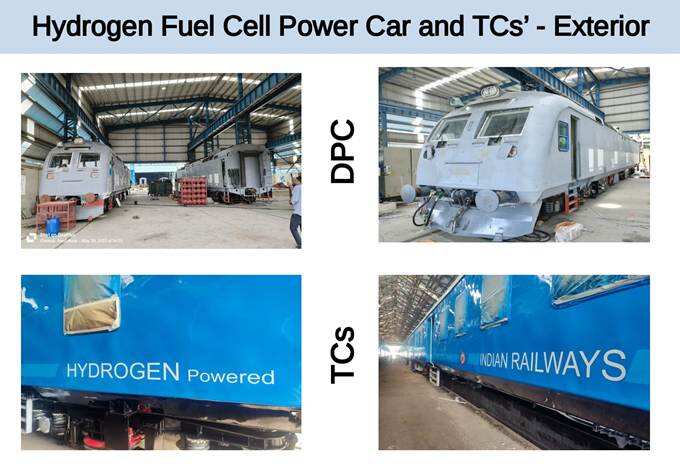
Key Features of India’s First Hydrogen Train
Indian Railways has equipped the train with advanced hydrogen fuel cell technology and modern passenger safety systems.
Some of its key highlights include:
- Hydrogen fuel cell-based propulsion system
- Zero carbon emissions during operation
- Water vapor as the primary emission
- Lower noise levels compared to diesel engines
- Environment-friendly transportation technology
- Indigenous engineering and railway innovation
Why This Project Matters for Indian Railways
Indian Railways operates one of the world’s largest rail networks and has been working to reduce its environmental impact. The hydrogen train project supports the national objective of lowering carbon emissions while promoting clean energy solutions.
The initiative also aligns with India’s broader sustainability goals and reflects the railway’s commitment to adopting next-generation transport technologies.

Hydrogen Trains Are Already Running in Several Countries
Countries such as Germany have already introduced hydrogen-powered passenger trains as part of their clean transportation strategies. With the launch of its first hydrogen train, India joins a growing list of nations investing in hydrogen-based railway technology.
Experts believe hydrogen fuel could become an important solution for rail routes where complete electrification is either difficult or economically challenging.
A Major Boost to Indian Railways’ Green Mission
Indian Railways has set ambitious targets for reducing its carbon footprint and expanding the use of clean energy. The introduction of hydrogen-powered trains complements ongoing efforts such as network electrification and sustainable transportation initiatives.
Officials believe the project will provide valuable operational experience and could pave the way for wider deployment of hydrogen-powered trains across the country.
A New Chapter in India’s Railway History
The launch of India’s first hydrogen-powered train marks another significant milestone in the 173-year history of Indian Railways. More than just the introduction of a new train, the project symbolizes the country’s commitment to cleaner technology, sustainable infrastructure, and innovation in public transportation.
If the pilot operation proves successful, Indian Railways is expected to evaluate the possibility of introducing hydrogen-powered trains on additional routes, supporting India’s long-term vision of environmentally responsible rail travel.