

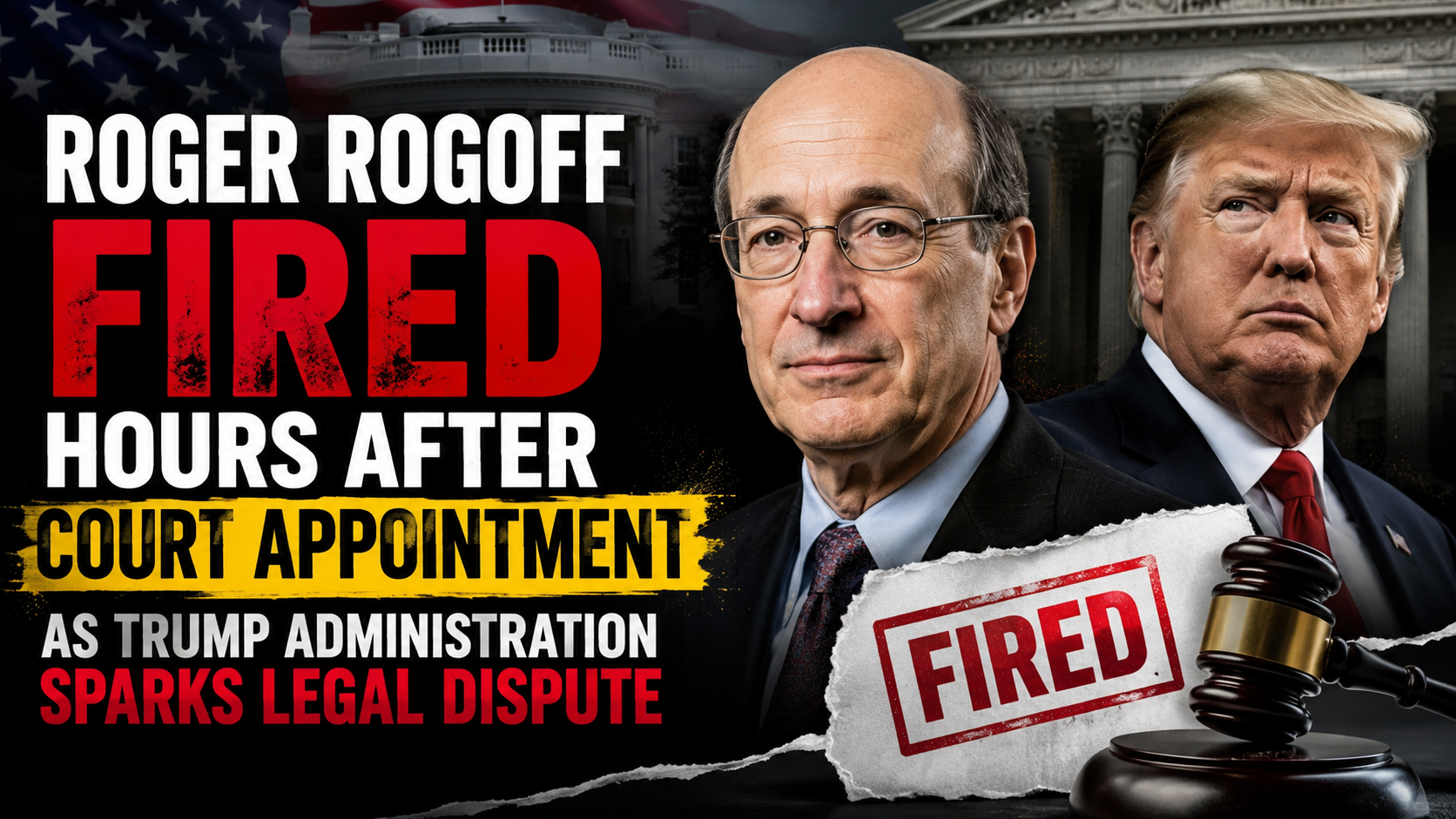
A new legal and political controversy has emerged in the United States after the Trump administration removed Roger Rogoff from his position as interim U.S. Attorney for the Western District of Washington only hours after federal judges appointed him. The move followed the expiration of a previous interim appointment that was not confirmed by the Senate, prompting the court to exercise its authority under federal law. The immediate dismissal has reignited debate over the balance of power between the judiciary and the executive branch.
Roger Rogoff Removed Shortly After His Appointment
The position of U.S. Attorney for the Western District of Washington had remained in transition after the Senate failed to confirm the administration’s nominee within the required timeframe.
Under federal law, judges of the district court appointed Roger Rogoff to serve as interim U.S. Attorney to ensure continuity in federal prosecutions. However, before he could fully assume the role, the Trump administration issued an order removing him from office.
The swift decision immediately drew attention from legal experts and political observers, who viewed it as an unusual development in the appointment process.
Why Did the Trump Administration Fire Roger Rogoff?
According to the Department of Justice and the Trump administration, the President has constitutional authority to appoint and remove U.S. Attorneys.
Administration officials argued that while federal judges may appoint an interim U.S. Attorney under certain circumstances, that appointment does not prevent the President from exercising executive authority to replace or remove the official.
Although the administration acted quickly, it did not release a detailed public explanation beyond asserting presidential authority over federal prosecutors.
How Was Roger Rogoff Appointed?
Federal law allows district court judges to appoint an interim U.S. Attorney when a previously appointed interim official’s term expires and the Senate has not confirmed a permanent nominee.
Following that legal process, judges in the Western District of Washington selected Roger Rogoff to temporarily lead the U.S. Attorney’s Office.
The appointment was intended to prevent disruptions in federal prosecutions and ensure that ongoing criminal and civil cases continued without interruption.
Who Is Roger Rogoff?
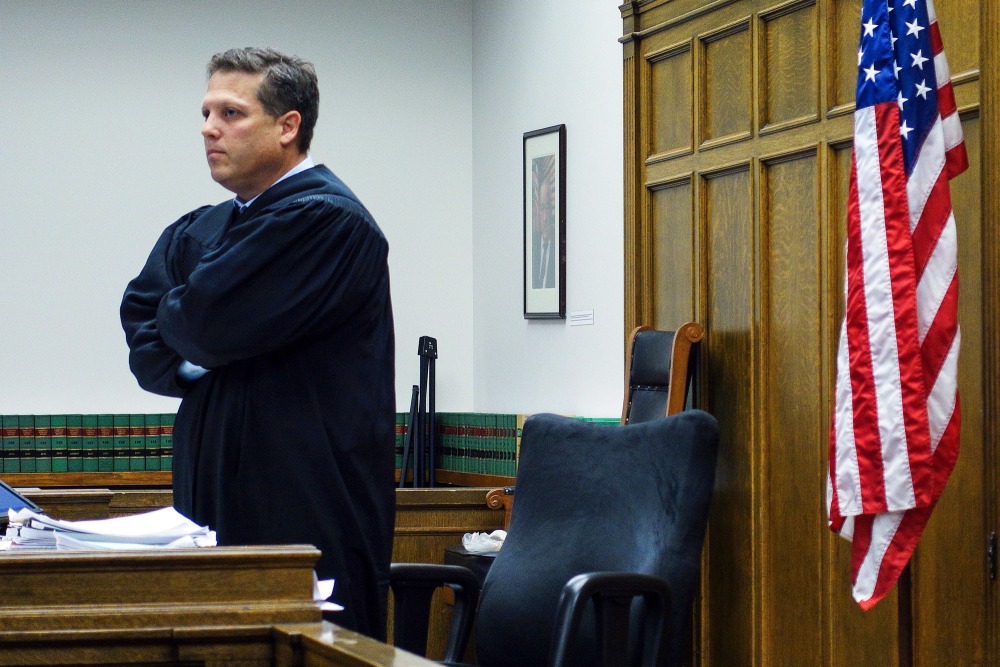
Roger Rogoff is an experienced federal prosecutor who has served in the U.S. Department of Justice for many years. Throughout his career, he has worked on a range of federal criminal cases and has held senior prosecutorial responsibilities within the Western District of Washington.
His appointment by the federal court was viewed as a temporary measure to maintain stability in the office until a Senate-confirmed U.S. Attorney could take over.
Decision Raises Questions Over Executive and Judicial Authority
The incident has fueled debate over the limits of presidential power and the role of federal courts in appointing interim prosecutors.
Legal analysts note that while judges have statutory authority to make temporary appointments under specific circumstances, the President also possesses broad constitutional authority over executive branch officials.
The case could become an important legal test if it is challenged in court, potentially clarifying the relationship between judicial appointments and presidential removal powers.
Political Reactions and Broader Implications
Roger Rogoff’s dismissal comes as the Trump administration continues reshaping leadership within the Department of Justice and other federal agencies.
The move has prompted discussion among legal scholars and political observers. Some argue the President acted within constitutional authority, while others believe the decision raises concerns about judicial independence and the effectiveness of statutory appointment procedures.
The dispute also highlights the ongoing tension between the executive branch and the federal judiciary over control of key government positions.
What Happens Next?
It remains unclear whether Roger Rogoff will challenge his dismissal through legal action. The Trump administration is also expected to determine who will lead the U.S. Attorney’s Office for the Western District of Washington going forward.
For now, the case has become another significant chapter in the continuing debate over presidential powers, judicial authority, and the constitutional framework governing federal appointments in the United States. If legal proceedings follow, the outcome could help define the limits of executive and judicial authority in future appointments.